What is Scrum ?

- complex problems
- adaptive solutions
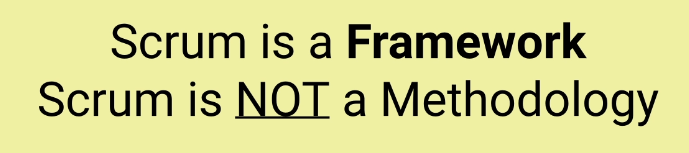
-> Scrum is a framework, not a methodology, process or method.
Scrum Theory
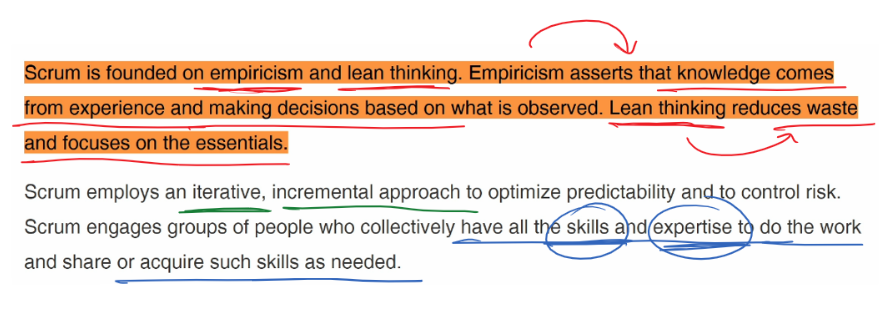
- Take decisions based on what is known.
- Need transparency of the information
- transparency is a quality of the scrum artifacts – the product backlog, sprint backlog, etc. Every one in the project knows how the product advances.
3 pillars of Scrum Framework
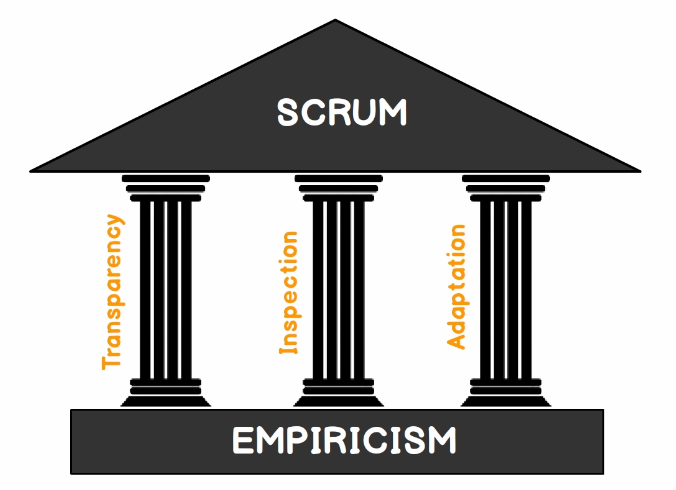
We need transparency to do an inspection and we need inspection to do an adaptation.
Scrum Values
There are five values.
- Commitment
- Courage
- Focus
- Opennes
- Respect
Scrum teams must respect and work by commitment, courage, focus, openness and respect.
People commit to achieving the goals of the scrum team, also to support each other in the scrum team.
People dare to do the right thing while working tough problems.
People focus on the work of the sprint and goals of the team.
Openness – the scrum team and its stakeholders agree to be open about all the work and the challenges with performing the work.
Respect each other to be capable and independent.
Scrum Accountabilities
Scrum defines 3 different sets of accountabilities within the scrum team.
- The product owner
- The scrum master
- The developers
Earlier in waterfall model, we have development team. But in scrum, we only say developers.

-> Within scrum team, there are no sub teams or hierarchies.
Scrum team is a cohesive unit of professionals focused on one objective at a time.
The Product Owner

In Scrum, the Product Owner is responsible for representing the customer or end-user and ensuring that the development team delivers value to them. The Product Owner is the sole person responsible for managing the Product Backlog, which is a prioritized list of features and requirements for the product.
The Product Owner’s role is to work with stakeholders to understand their needs, identify the features that will deliver the most value, and prioritize them in the Product Backlog.
-> During each Sprint, the Product Owner collaborates with the development team to refine the Product Backlog items and ensure that they are clear, concise, and ready for implementation.
The Product Owner also participates in Sprint Review meetings to demonstrate the completed work and collect feedback from stakeholders, which can then be used to update the Product Backlog. Ultimately, the Product Owner is responsible for maximizing the value of the product and ensuring that it meets the needs of the customers and stakeholders.
- Product owner is the one who communicates and engages with stakeholders. The product owner explains the product backlog items to the developers. So communication is critical here.
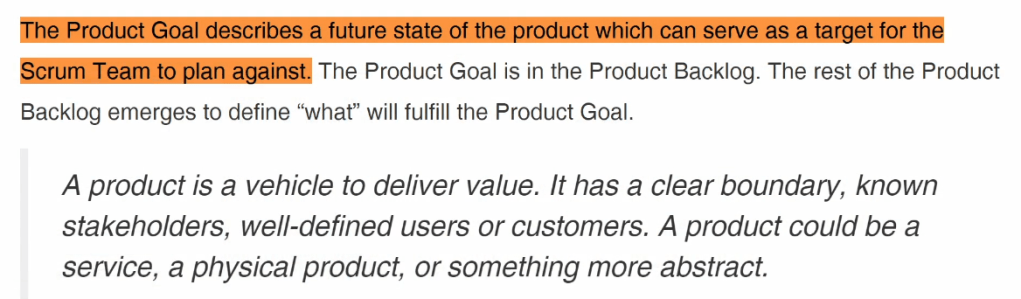
- The product owner is responsible for developing and clearly communicating the product goal.
What is Product Goal
The Scrum Master
In Scrum, the Scrum Master is a key member of the Scrum team who is responsible for ensuring that the Scrum framework is implemented effectively.
The Scrum Master acts as a coach, facilitator, and servant leader for the development team and helps them to understand and follow the Scrum process.
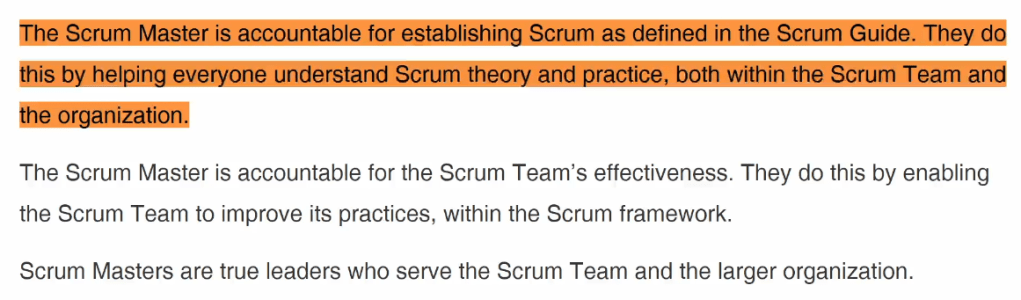
The Scrum Master, serve the scrum team, the product owner and the organization.
The Scrum Master makes sure that everyone first understands the scrum framework and second applies/adhere to the framework.
-> Main accountability of the scrum master is the team’s effectiveness.
The Scrum Master helps to ensure that the Scrum events (such as Sprint Planning, Daily Scrum, Sprint Review, and Sprint Retrospective) are conducted effectively and that the team is adhering to the Scrum framework.
They facilitate these events, help the team to stay focused, and encourage collaboration and continuous improvement.
The Scrum Master’s primary responsibility is to remove any impediments that may be preventing the development team from achieving their goals.
This can involve identifying and resolving conflicts, facilitating communication between team members, and ensuring that the team has the necessary resources to complete their work.
They also work closely with the Product Owner to ensure that the product backlog is maintained and prioritized effectively, and that the team is delivering value to the stakeholders in a timely manner.
The Developers

Each sprint, they create a plan for the sprint. They adapt that plan if needed. They hold each other accountable.
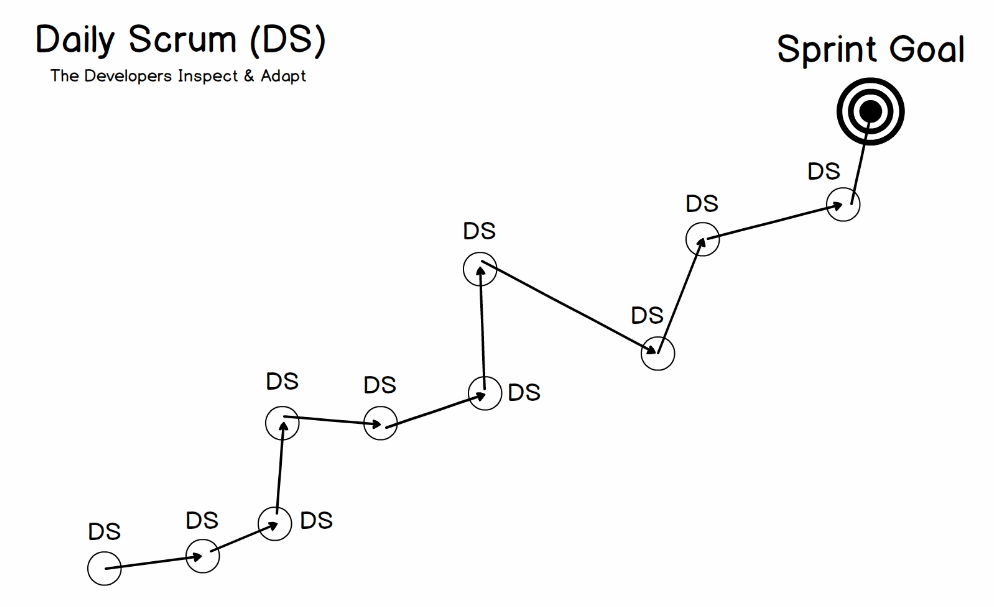
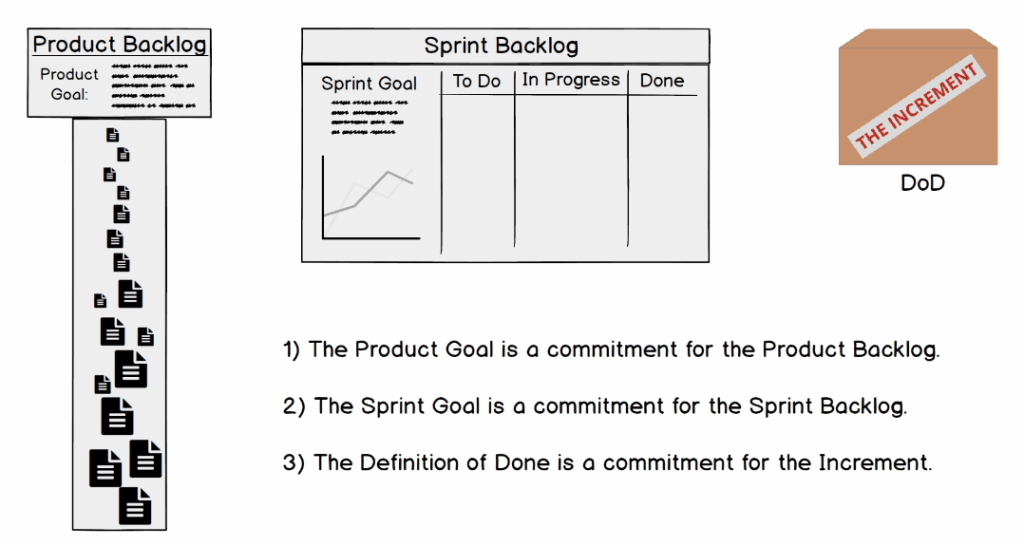
Sprint Goal – it is a commitment for Spring backlog.
-> The Spring Goal is the single objective for the Sprint.
Each artifact contains a commitment and both artifacts and commitments are mandatory.
2 characteristics of scrum teams :
- cross-functional – members of the team have all the skills necessary to create value for each sprint.
- self-managing – they are empowered to decide who does what, when and how.
The size of the scrum team is typically 10 or fewer people.
The Scrum Events
- The Sprint
- Spring Planning
- Daily Scrum
- Spring Review
- Sprint Retrospective
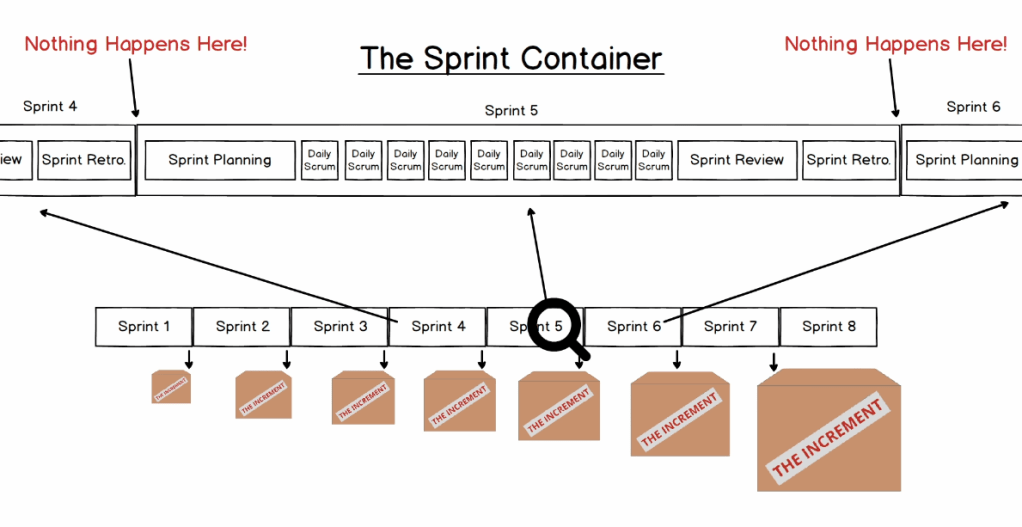
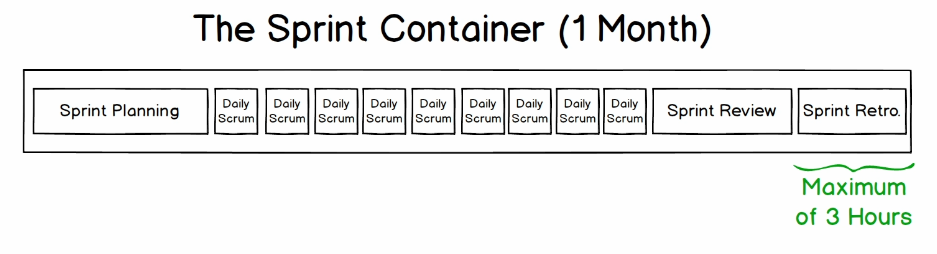
Sprints are the heartbeat of scrum framework where ideas are turned into value.
The maximum duration of the sprint is one month, but it can be three weeks or two weeks, or even one week.
-> There are no pauses between the sprints. A new sprint starts immediately after the conclusion of the previous sprint.
During the sprint, it is the Spring Goal that helps the scrum team to stay focussed.
-> The Product Owner has the authority to cancel the sprint. This happens when the Sprint Goal becomes obsolete.
Sprint planning – this is where the scrum team discusses 3 main questions.
- Why is this sprint valuable ?
- What can be done in this sprint ?
- How will the chosen work get done ?
During Sprint planning, the scrum team creates the Spring Goal.
- The developers select PBIs (product backlog items) from the product backlog to the sprint to be included in the sprint backlog.
Sprint planning is an 8 hour event for a 1-month Sprint.
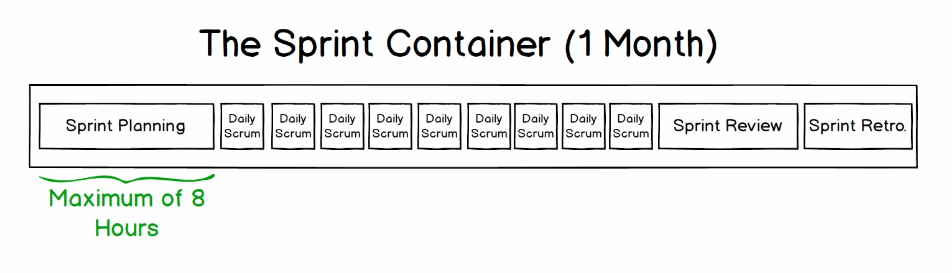
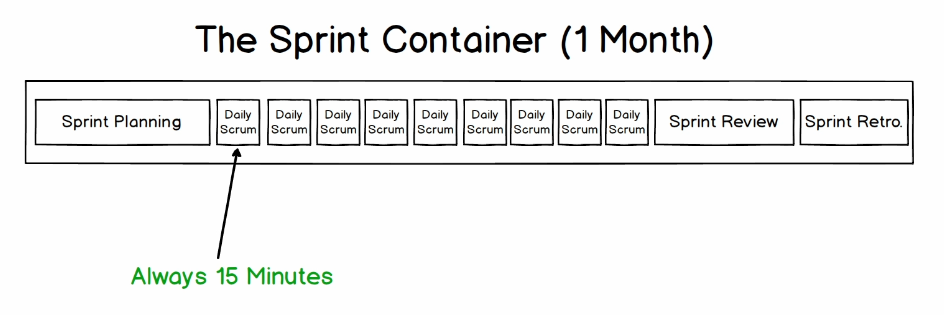
Daily Scrum – this is a daily 15min meeting for the developers of the scrum team.
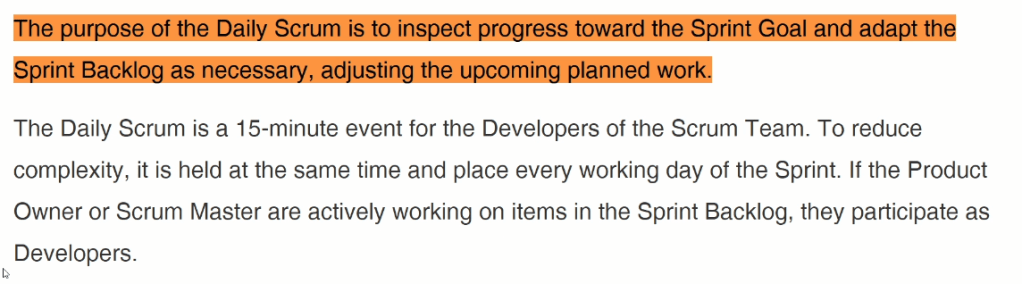
During this event, the developers plan to work for the next day.
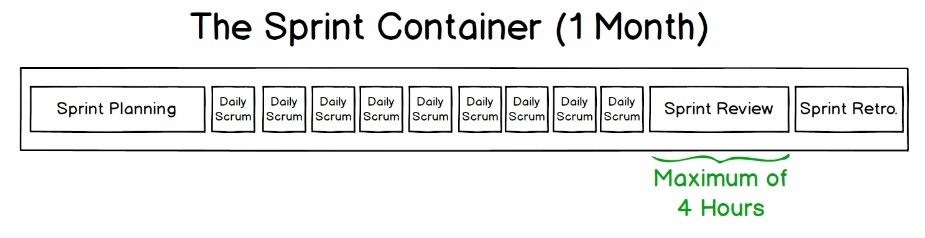
Sprint Review – the purpose is to inspect the outcome of the Sprint in determining future adaptations.

-> It is important that the key stakeholders attend this event and provide feedback, if changes are needed in the product backlog.
So, sometimes, the Sprint Review meeting can change the product backlog.
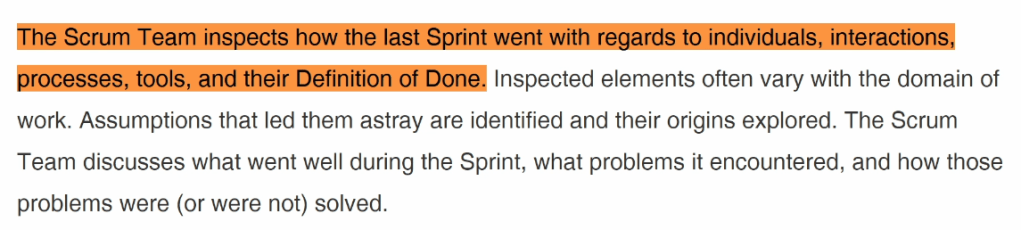
The last event the scrum team does is called sprint retrospective. It happens after spring review and before spring planning. It is an opportunity to inspect and adapt the scrum.

Scrum Artifacts
Product Backlog

Usually the items on top of the product backlog are ready to be selected for development and are ordered in a way that maximizes the value of the product. Most valuable items are top of the product backlog.
The product goal is the long term objective for the scrum team. We can’t have multiple product goals at the same time.
Sprint Backlog
It is composed of 3 things :
- Spring Goal
- Items selected for Sprint
- Actionable plan for delivering the increment
The product owner decides the order in which the product will be built, but the developers decide how many items to select for development.

The Sprint Goal is the single objective for the sprint.
Increment
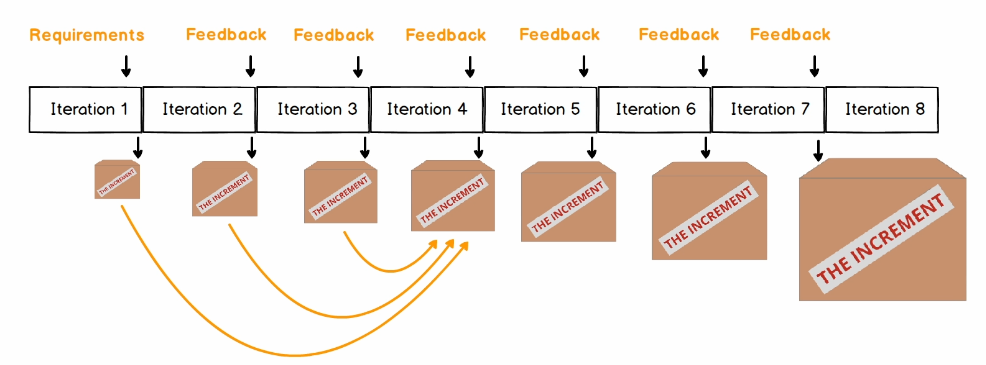
An Increment is a concrete stepping stone toward the Product Goal.
Each increment is additive to all prior increments and thoroughly verified, ensure that all increments work together. In order to provide value, the Increment must be usable.
Think of an increment as a version of the same product.
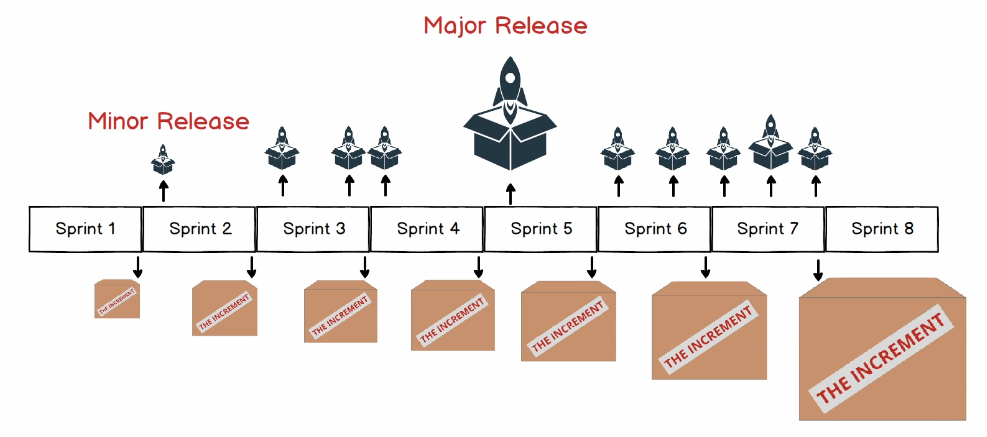
The Scrum team decides when to release an increment. This may be few increments at a time. It’s not a rule to release an increment each sprint. We can basically release whenever we have a usable increment.
Definition of Done
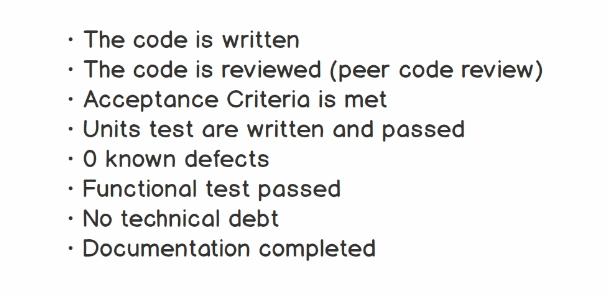
We can add additional items to this definition of done, like :
- Performance testing
- Load testing
- Regression testing
- Security testing
- …
- …
Final Note

If you implement only few part of Scrum Framework, the result is not Scrum.
 Bits, Bytes and Brains